
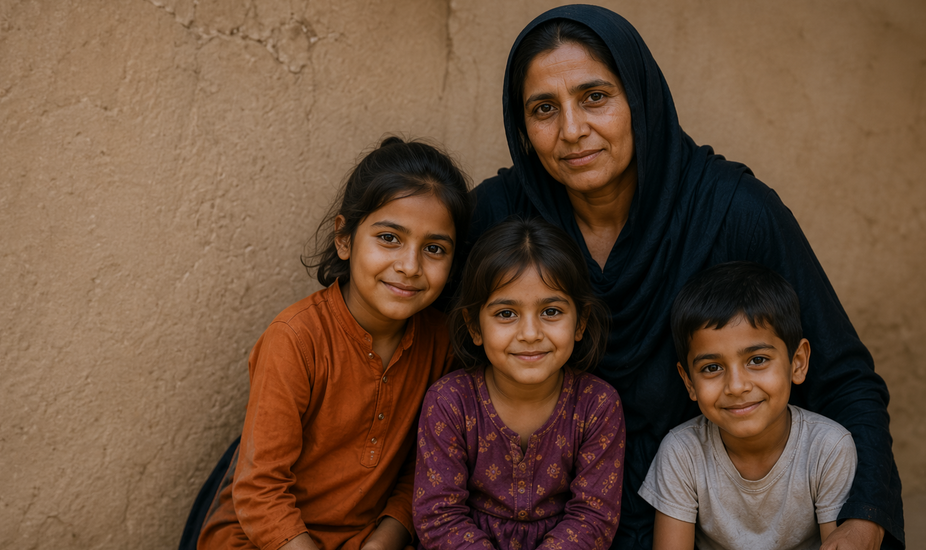
After her husband's passing, Saira's young daughter confided in her — revealing that she had been repeatedly abused during their stay. The child was only eight years old.
Saira acted immediately, filing a police report. But instead of support, she faced isolation and stigma. Members of her extended family turned against her, questioning the child's character and dismissing the case as a fabrication driven by property disputes.
Despite this, Saira refused to back down.
The case proceeded to trial in Karachi. The survivor gave her statement under oath, and medical evidence confirmed repeated abuse. Even during court proceedings, the child was subjected to intense victim-blaming and character attacks — a reality many survivors face.
With legal representation supporting the case, the court relied on the survivor's testimony and medical findings. The accused was sentenced to 20 years imprisonment and a financial penalty.
The conviction was challenged in the High Court of Sindh.
At the appellate stage, the survivor was represented by LAS-supported counsel, who argued that cases involving close family members, especially those in positions of trust, must be understood through the lens of power imbalance and control — and that unrealistic expectations cannot be placed on a child survivor to preserve evidence.
The High Court upheld the conviction, recognizing the consistency of the survivor's testimony and the strength of the medical evidence, dismissing the appeal and affirming the 20-year sentence.
Many cases of abuse, especially those involving family members, never reach justice due to fear, stigma, and pressure to stay silent.
Your support ensures that survivors are not only heard — but that justice is pursued at every level, including appeals.
"LAS didn't just handle my case. They helped me stand up for myself."